Representation matters — especially in play. The toys children grow up with help shape how they see themselves and how they understand others. That’s why the launch of the first autistic Barbie by Mattel is such a meaningful step forward for children, families, and communities everywhere.
This new Barbie isn’t just a doll — it’s a powerful message of inclusion, understanding, and respect for neurodiversity.
Thoughtful Details That Make a Big Difference
This new Barbie was designed with care and intention. Every detail reflects real experiences and needs within the autistic community, helping children see that there are many valid ways to communicate, self-regulate, and interact.
Some of the features include:
-
A symbol-based AAC tablet, supporting alternative ways to communicate
-
A finger clip fidget, recognizing the importance of sensory regulation
-
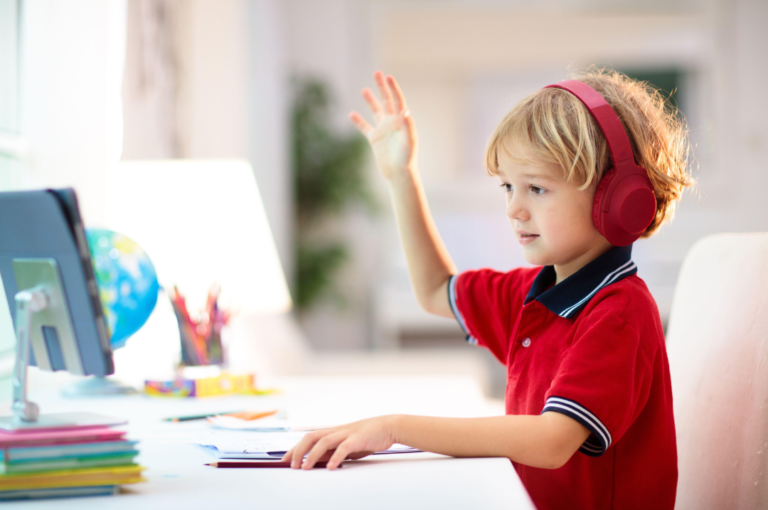
Noise-canceling headphones, acknowledging sound sensitivity
-
Bendable wrists and elbows, designed to support stimming
-
Soft, sensory-friendly clothing, prioritizing comfort and texture
These elements are more than accessories — they validate everyday experiences that many autistic children live with and deserve to see normalized.
Normalizing Different Ways of Communicating
One of the most powerful aspects of this doll is how it gently teaches that communication doesn’t look the same for everyone. Some children speak with words, others use devices, gestures, or symbols — and all of these are equally valid.
By including AAC and sensory tools in play, this Barbie helps children understand that there is no single “right” way to communicate or interact with the world. It opens the door to empathy, curiosity, and acceptance — starting at a very young age.
Why This Matters for Children and Families
For autistic children, seeing themselves represented can be incredibly affirming. It sends a clear message: You are seen. You belong. You are valued.
For other children, inclusive toys help build understanding and kindness. They learn early on that differences are a natural part of the human experience — not something to fear or avoid.
Representation in toys supports:
-
Self-esteem and identity
-
Acceptance of neurodiversity
-
Inclusive play and friendships
-
Awareness of different communication styles
These lessons don’t just stay in the toy box — they carry into schools, communities, and relationships.
A Reflection of What We Believe at Provita
At Provita Speech Language Associates, we deeply believe that every child deserves to feel seen, understood, and represented — in therapy, in the community, and yes, even in the toys they play with.
We celebrate all forms of communication and support children in finding the tools that work best for them. Whether that includes spoken language, AAC, gestures, or sensory supports, our goal is always the same: to help children communicate with confidence and joy.
Moving Toward a More Inclusive World
The first autistic Barbie represents progress — not just for toys, but for conversations about inclusion, neurodiversity, and acceptance. It reminds us that when children are represented with care and respect, the world becomes a little more understanding for everyone.
✨ Every child deserves to feel valued — just as they are.
At Provita, we’re proud to support families on that journey, one voice at a time.