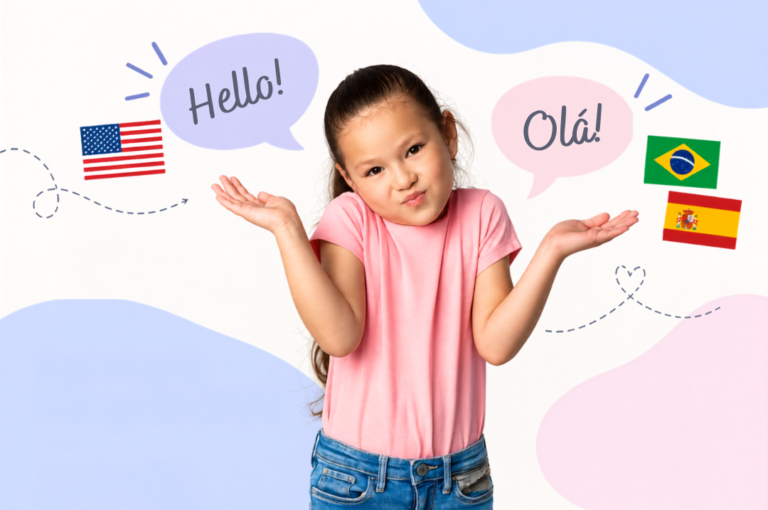
Before children learn to speak, they already have so much to say. They point, reach, wave, look, and move their bodies to express needs, interests, and emotions. These early gestures are not random — they are the very foundation of communication.
That’s why gesture therapy plays such an important role in early speech and language development. At Provita Speech, we use gesture-based strategies to support children who need another way to connect while their verbal language is still emerging.
And it’s important to say this clearly: gestures don’t replace speech — they prepare the ground for it. 🌱
Why Gestures Matter in Early Development
Long before words appear, children communicate through movement. Pointing to a toy, raising their arms to be picked up, or waving goodbye are all powerful signs that language is beginning to grow.
Research shows that children who use gestures early often develop stronger language skills later on. Gestures help children:
-
Express needs before they have words
-
Understand cause and effect
-
Connect actions with meaning
-
Stay engaged in interactions
In other words, gestures give children a voice while their spoken language is still developing.
What Is Gesture Communication Therapy?
Gesture Communication Therapy uses intentional movements, signs, and body language paired with spoken words to help children communicate more effectively. Therapy sessions are playful, interactive, and child-led — because learning happens best through connection and joy.
Through meaningful activities, children are encouraged to use gestures alongside simple language. Over time, these gestures support the development of spoken words, phrases, and understanding.
How Gesture Therapy Helps Children
Gesture-based strategies can support children in many ways, especially when speech is delayed or still emerging. Gesture therapy helps children:
-
Communicate needs and wants before they can say the words
-
Build early vocabulary by pairing gestures with spoken language
-
Improve understanding by linking actions to meaning
-
Reduce frustration when communication feels hard
-
Create a strong foundation for future speech and language development
Each small movement becomes a meaningful step toward confident communication.
When Extra Support May Be Helpful
Some children naturally use gestures often, while others use very few. If a child has difficulty expressing needs, rarely points or gestures, or seems frustrated during communication, it may be a sign that additional support could help.
An early evaluation doesn’t mean something is “wrong.” It simply provides clarity, guidance, and peace of mind — and allows families to support communication in the most effective way possible.
Our Approach at Provita Speech
At Provita, we see the whole child — not just milestones or checklists. Our therapists carefully choose strategies that fit each child’s unique developmental stage, personality, and needs.
With over 20 years of experience and 1,127+ happy families, our team continues to grow, learn, and bring thoughtful, evidence-based approaches into therapy. Gesture therapy is just one of the many ways we support children in finding their voice — in a way that feels natural, safe, and empowering.
Let’s Take the Next Step Together
If you’d like to learn more about how gesture therapy works or whether it may support your child’s development, we’re here to help.
Send us a message or schedule an evaluation today.
Together, we’ll build communication step by step — with care, patience, and confidence.
📍 Boca Raton | Port St. Lucie | West Palm Beach | Online
🌎 provitaspeech.com